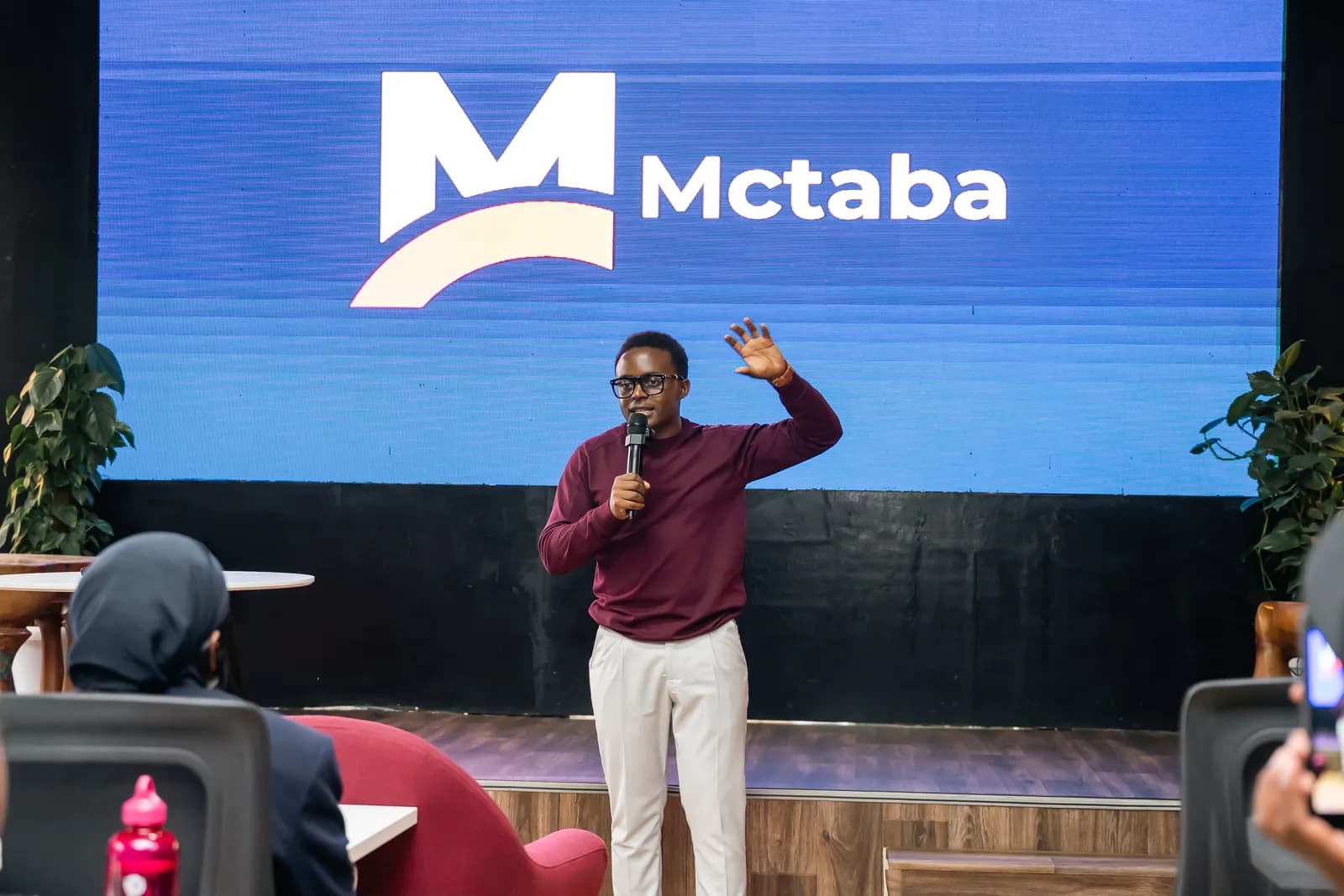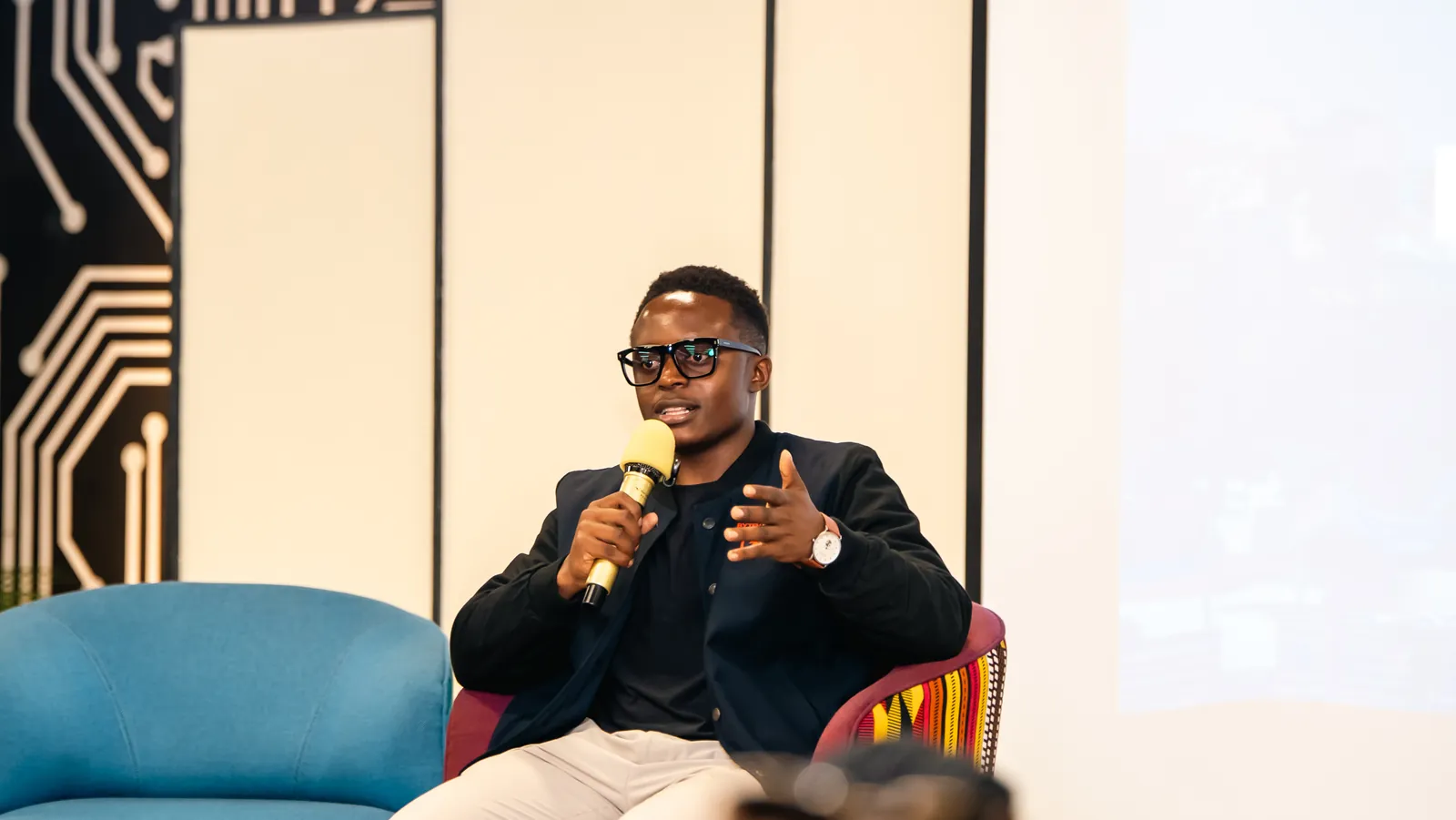
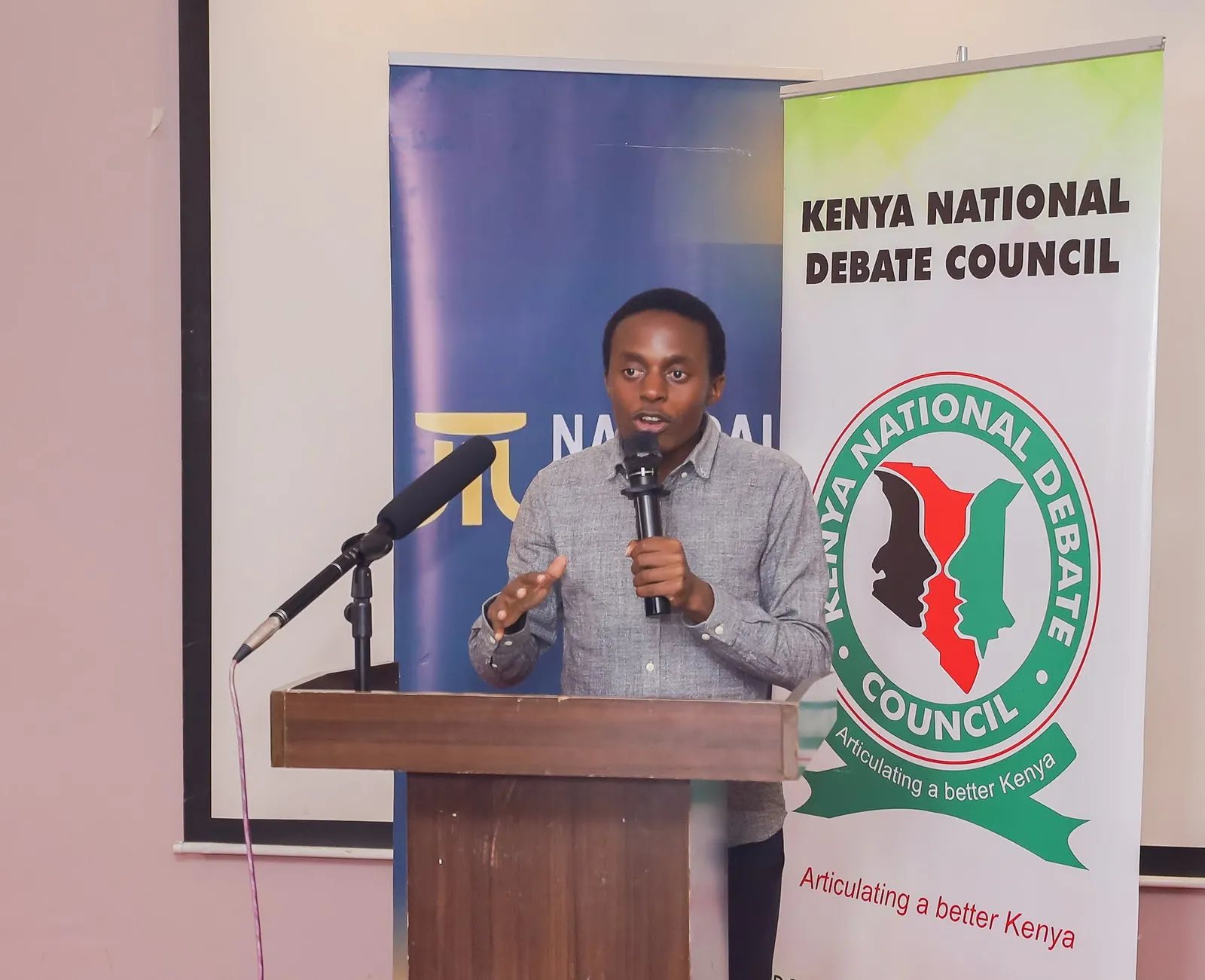
On a Tuesday in early October, Bonaventure Ogeto walked onto the main stage at the Kenyatta International Convention Centre and looked out at a room of more than two thousand people. He had been asked to talk about artificial intelligence and the future of education in Africa. He opened instead with a confession. Seven years earlier, he had been a mathematics student at a university on the edge of Nairobi with a good internet connection, five YouTube playlists open in five tabs, and no idea which one to trust.
"It took me about two years before anything I built worked for anyone else," he said. "Not because the material was hard. Because nobody showed me the map first."
The line landed because the room knew it was true. Most of the people in it had learned, or were still learning, the same way: from tutorials that assumed a Stripe account, a US bank, and a customer who had never heard of M-Pesa.
"Everything I learned assumed Stripe, PayPal and a US bank account. None of it worked for a shopkeeper in Kasarani."
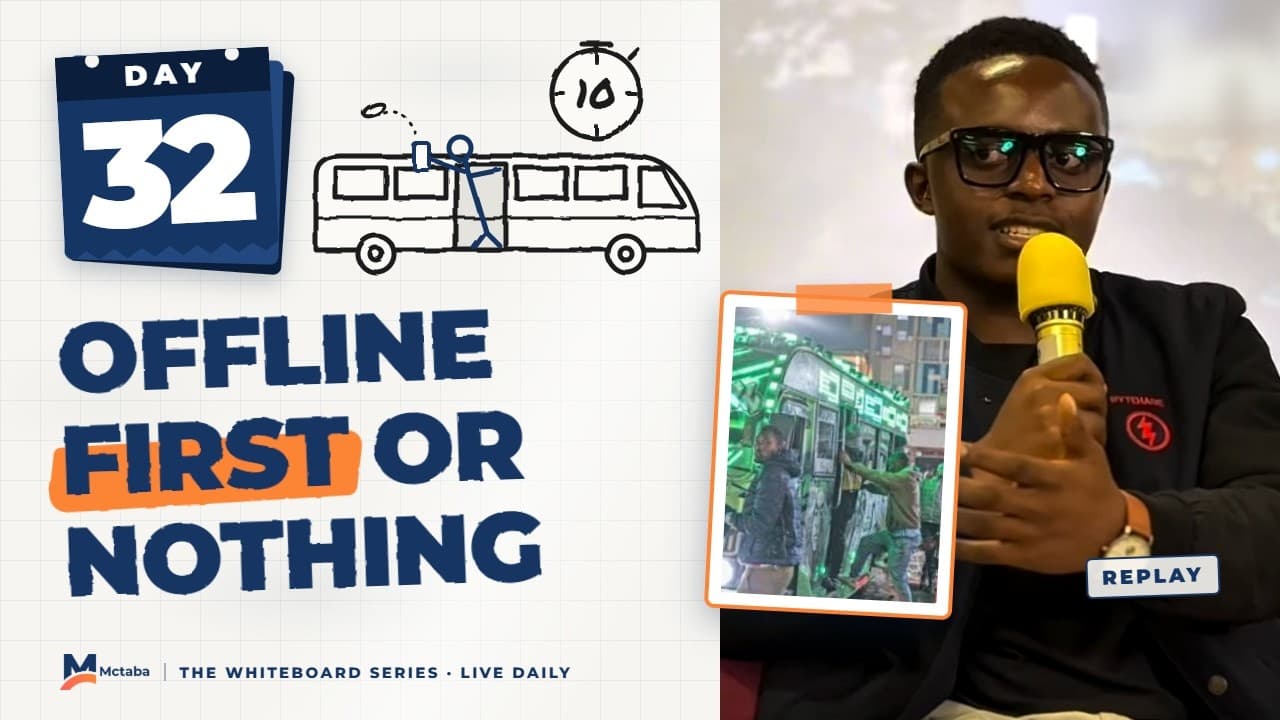
Ogeto, who is 27 and goes by McTaba to almost everyone who has sat in one of his classes, has spent the years since trying to draw that map for other people. The numbers describe the scale of the attempt. More than twenty-five thousand students have passed through his courses, cohorts and workshops. Three hundred engineers came through his programs this year alone. His Udemy courses carry a 4.9 rating across five thousand enrolments. A free whiteboard lecture series he launched this autumn drew thirty thousand viewers in its first two weeks. And in October the Kenya National Chamber of Commerce and Industry named him the winner of its Business Creatives Award, a prize decided by public vote at ten shillings a ballot, which he asked his readers to keep small. "What moves the needle is numbers of people," he wrote, "not size of spend."
The story that led there is less tidy than the numbers.
He arrived at Jomo Kenyatta University of Agriculture and Technology in 2017 to read pure mathematics and computer science, and spent as much time running the debate society as he did in lectures. Debate, he says now, was where he learned the thing he actually does for a living: taking a complicated idea and finding the one door into it that fits how the listener already thinks.
 Second year · 2018
By his second year he was building small tools for people around him, a point-of-sale here, a booking form there, and charging for them. In the long holiday after second-year exams, a Nairobi firm called Novcart Technologies hired him as a software engineer on the strength of that portfolio. He had no degree and no certificate. He was twenty.
"I was hired before I had a single piece of paper that said I could do it. That is still the whole thesis."
He finished the degree while working, first at Novcart and then remotely for VTF University in California, building for a team eight time zones away from a desk in Nairobi. On the side he started recording courses. In 2022 he graduated and launched HojaLeaks, a coding tutorials site that now serves three thousand learners a month. In 2023 he became software engineering lead at Zindua School, one of the city's coding bootcamps, and it was there, watching cohort after cohort, that he started writing down what separated the students who got hired from the ones who only looked like they were progressing.
 Graduation · 2022
That document became the Layered Learning Model, the curriculum underneath everything he now teaches. It is unfashionably strict. Students start with how a machine actually runs their code, move through systems thinking and language fluency, build real products, and only then, at the fifth layer, are handed AI tools. "AI-integrated, not AI-dependent," he wrote in an internal memo that he later published. "We are not replacing fundamentals."
In 2024 he founded Mctaba Labs. The premise was the one he had stumbled on as a student, turned into company policy: build for Africa first. M-Pesa, Paystack, WhatsApp and Africa's Talking as the default stack, not the afterthought. In eight months the company had students in twenty-five countries. It has seventeen products in the market, from a financial projection tool for founders to an M-Pesa API wrapper for developers, and it has taken no outside investment. Asked on the Founders Cabal Africa podcast why not, he gave the kind of answer that does not fit on a pitch slide: the business pays for itself, the students pay for the products, and a term sheet would change who he was building for.
The same year, HyperionDev, the South African education company that runs bootcamps with universities abroad, hired him as a lecturer. He now reviews work and mentors students enrolled through Johns Hopkins, Imperial College London, the University of Chicago, Stellenbosch and the University of Arizona. He was promoted to senior lecturer in 2025. He also guest-lectures at the University of Nairobi, USIU and Strathmore.
"Africa does not need to catch up on AI. It needs to teach fundamentals faster than anyone else, so its engineers can use AI better than anyone else."
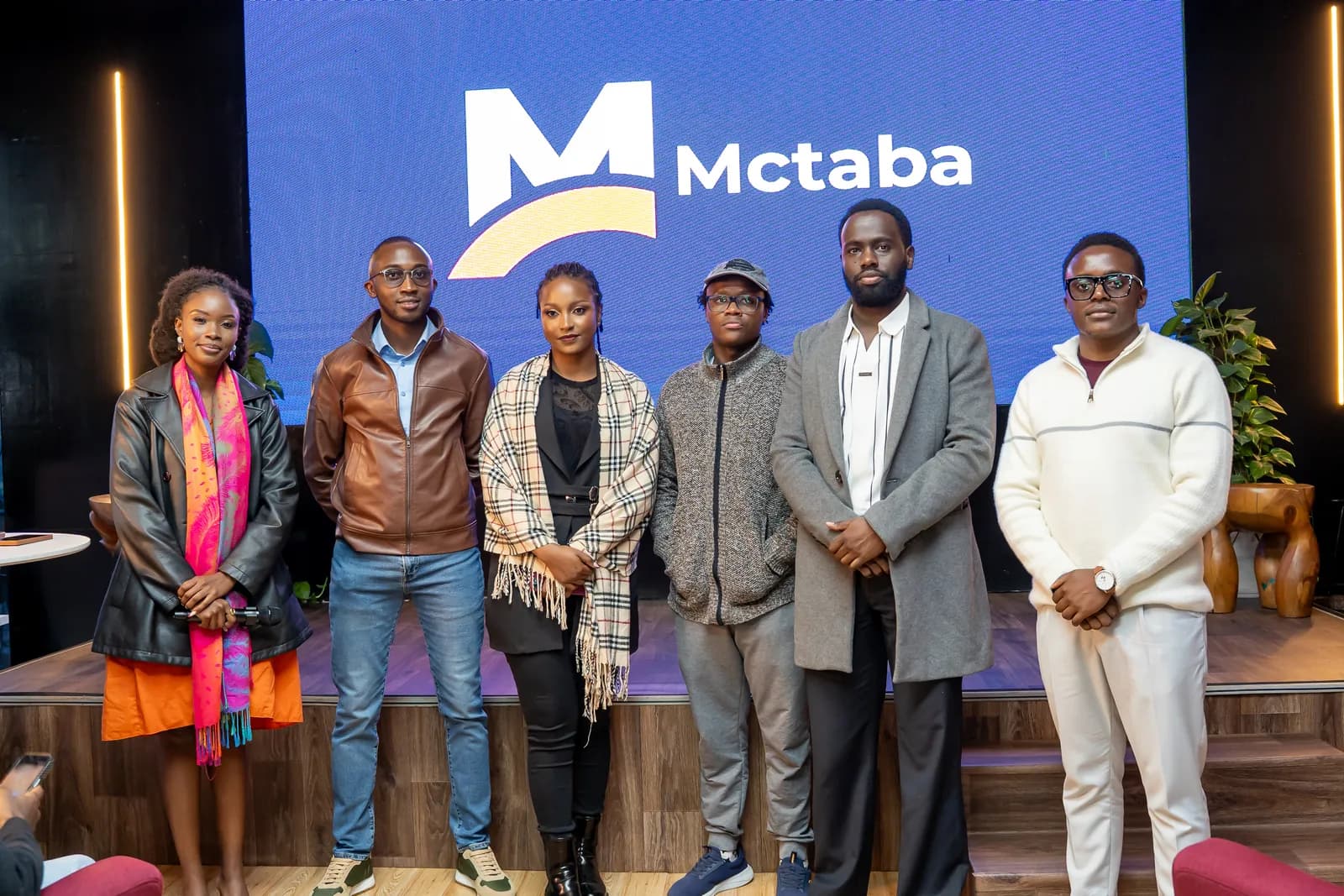
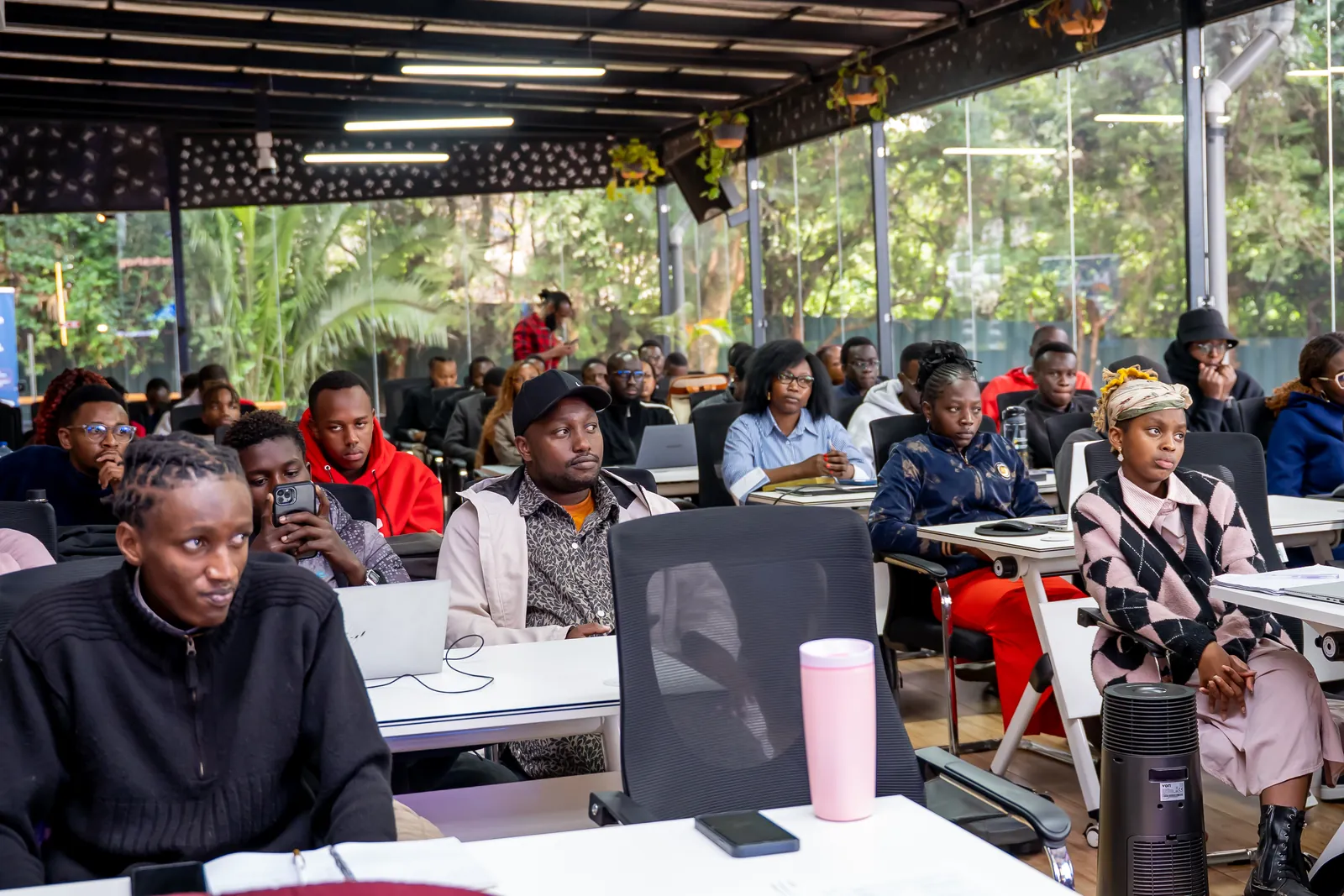
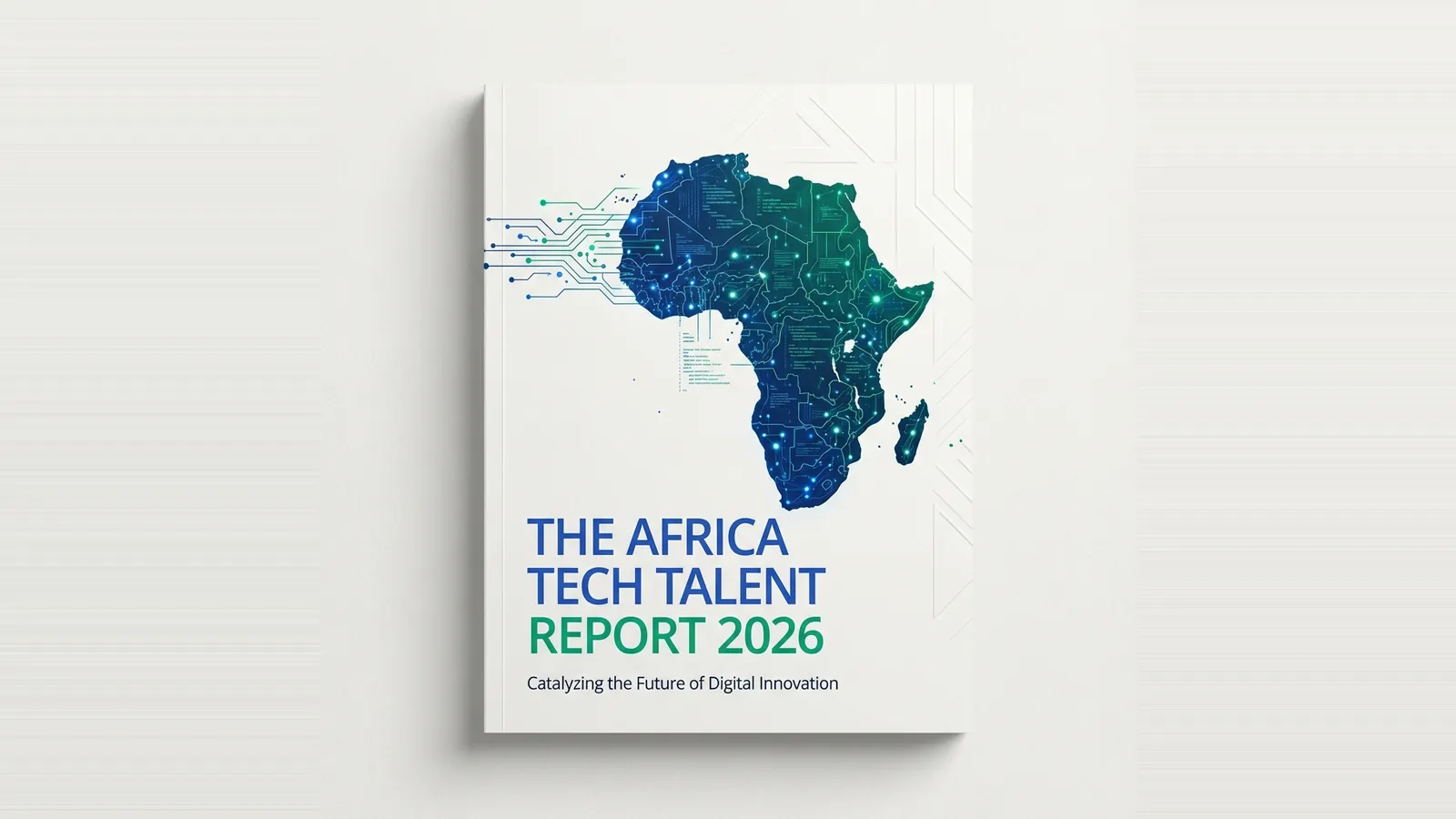
The in-person events started almost by accident. The first Mctaba Connect and Code session in Nairobi, a talk on how to get into tech, sold 106 paid seats and ran out of chairs. The second, an AI automation workshop at a higher ticket price, sold 92, and two-thirds of the room had been at the first one. There were no free tickets at either. He has since added a Career Day at Hackhouse Africa and keeps the newsletter, The Mentor's Manual, going every week to more than a thousand readers, with the Africa Tech Talent Report he published last December now being used in curriculum and hiring conversations he had nothing to do with.
 Connect and Code · 2026
What he is building toward is stated plainly on every page he publishes: one million students in tech by 2030, and fifteen thousand working engineers by 2035. The first number is about reach. The second is the one he cares about. "Access isn't direction," he wrote in August. "We've handed a continent the entire internet, only to wonder why so many brilliant people stall out in month three."
The map, in other words, is still being drawn. He would just prefer the next person not have to start it from scratch.